
India Fisheries Eco-Labelling: Enhancing Global Competitiveness Through Value Addition

India Fisheries Eco-Labelling: Enhancing Global Competitiveness Through Value Addition

  India Fisheries Sector Competitiveness Enhanced Through Eco-Labelling and Value Addition India’s fisheries and aquaculture sector, contributing more than 17.5 million tonnes of aquatic food in 2022–23 and ranking as the second-largest aquaculture producer globally, has emerged as a critical pillar for nutrition, livelihoods, exports, and coastal development. Enhancing India fisheries sector competitiveness requires aligning […]

India Fisheries Eco-Labelling: Enhancing Global Competitiveness Through Value Addition Read More »

Explore how a collaborative model to eliminate TB in India—uniting government systems, private innovators, and community health workers—can accelerate early diagnosis, treatment adherence, and progress toward national TB elimination goals.

Collaborative Model to Eliminate TB in India: A Multi-Sector Strategy for Public Health Impact

Introduction • Tuberculosis remains one of India’s most persistent public health challenges, accounting for nearly one-fourth of the global TB burden. Despite decades of programme-based control, gaps in early diagnosis, drug-resistance management, nutritional vulnerability, and treatment adherence continue to impede India’s National TB Elimination Programme (NTEP) from reaching the target of Ending TB by 2025.

Collaborative Model to Eliminate TB in India: A Multi-Sector Strategy for Public Health Impact Read More »

Boosting Nutrition: How Crop Diversification Can Change India’s Diet

Crop Diversification in India: Challenges, Opportunities & the Path to Nutritional Security

  Crop Diversification in India: Challenges, Opportunities & the Path to Nutritional Security Crop diversification refers to the strategic shifting of agricultural land from dominance of a few cereal crops (particularly rice and wheat) toward a more diverse mix of pulses, oilseeds, horticulture, millets, and high-value crops. In India, this approach has gained urgency due

Crop Diversification in India: Challenges, Opportunities & the Path to Nutritional Security Read More »

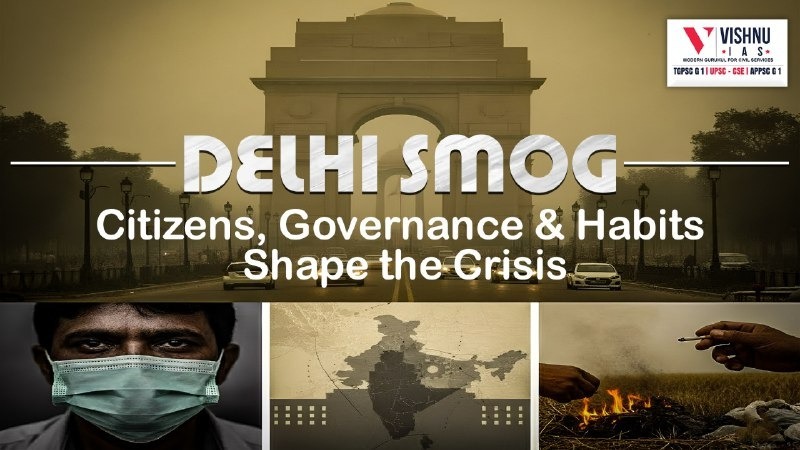
Air pollution in Delhi continues to reach severe levels, but the Delhi air crisis is not just a governance failure—it is deeply rooted in behavioural patterns of farmers, citizens, industries, and institutions. This blog explains how behavioural change is essential for solving air pollution in Delhi.

Air Pollution in Delhi: Why the Delhi Air Crisis Is a Behavioural Issue, Not Just a Governance Problem

Air pollution in Delhi: Why the Delhi Air Crisis Is as Much a Behavioural Issue as a Governance One Air pollution in Delhi: Why the Delhi Air Crisis Is as Much a Behavioural Issue as a Governance One Introduction Air pollution in Delhi represents one of the gravest public health emergencies in India, with the

Air Pollution in Delhi: Why the Delhi Air Crisis Is a Behavioural Issue, Not Just a Governance Problem Read More »

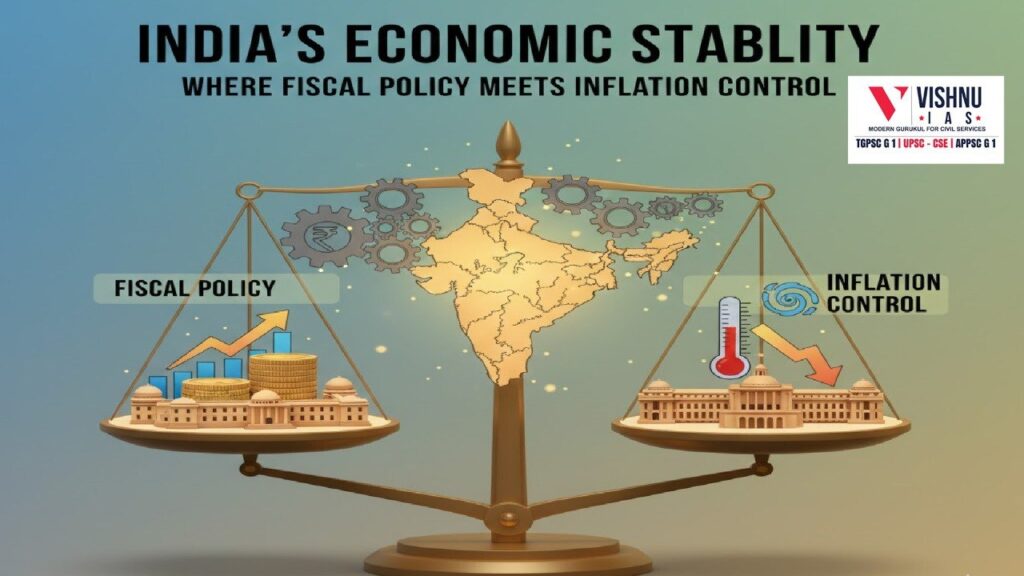
Explore how fiscal discipline and inflation targeting work together to ensure macroeconomic stability in India. This blog critically analyses the FIT framework, FRBM Act, fiscal risks, and policy coordination for sustained growth.

Fiscal Discipline and Inflation Targeting in India: A Critical Analysis for Macroeconomic Stability

Fiscal Discipline and Inflation Targeting in India: A Critical Analysis for Macroeconomic Stability Fiscal discipline and inflation targeting form the core pillars of India’s macroeconomic stability framework. As inflation control becomes central to economic welfare, especially under the Flexible Inflation Targeting (FIT) regime, the interplay between these two policies determines how effectively India can manage

Fiscal Discipline and Inflation Targeting in India: A Critical Analysis for Macroeconomic Stability Read More »

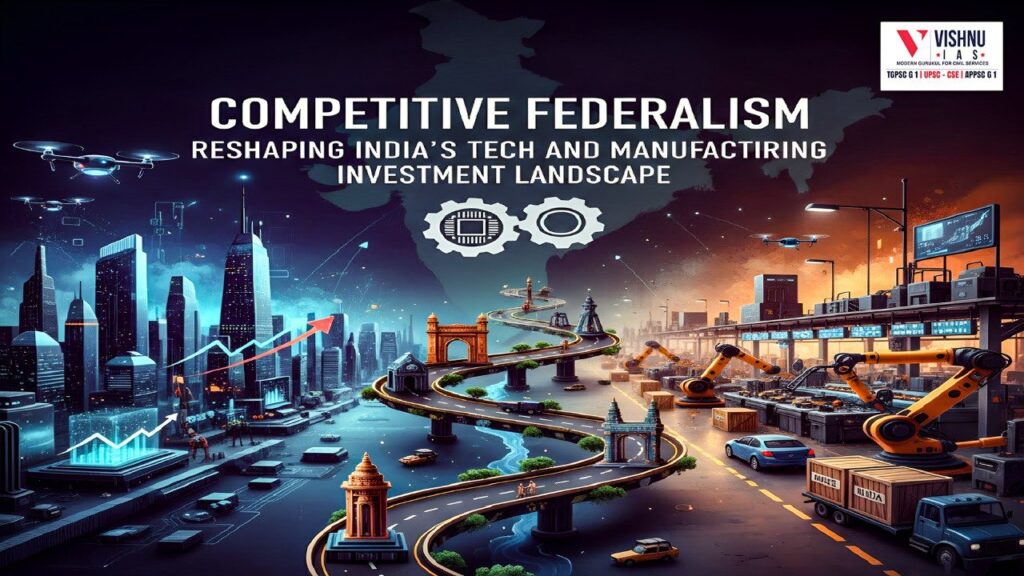
Explore how competitive federalism has reshaped the investment landscape of Indian states, especially in the technological and manufacturing sectors. Learn how state-level competition and innovation are driving India's growth story

How Competitive Federalism Transformed the Investment Landscape of Indian States in Technology and Manufacturing Sectors

How Competitive Federalism Transformed the Investment Landscape of Indian States How Competitive Federalism Transformed the Investment Landscape of Indian States Competitive federalism refers to a system where the constituent units of a federation—such as States in India—compete among themselves to attract investment, improve governance, and enhance service delivery. It contrasts with cooperative federalism, which emphasizes

How Competitive Federalism Transformed the Investment Landscape of Indian States in Technology and Manufacturing Sectors Read More »

Scroll to Top