Blogs and Articles

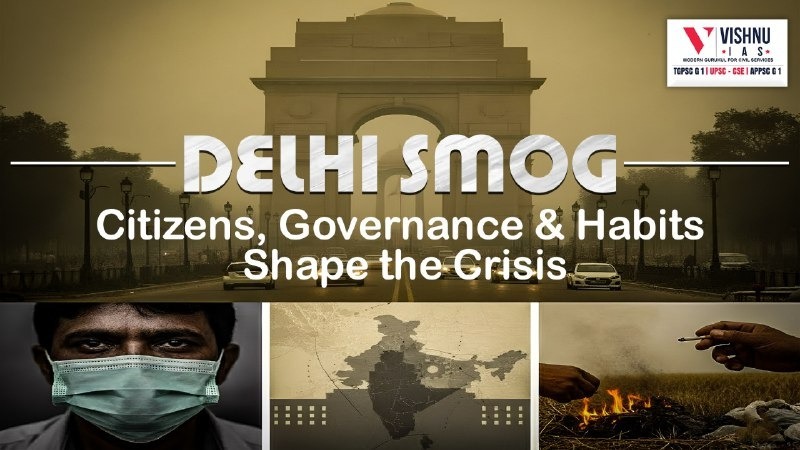
Air pollution in Delhi continues to reach severe levels, but the Delhi air crisis is not just a governance failure—it is deeply rooted in behavioural patterns of farmers, citizens, industries, and institutions. This blog explains how behavioural change is essential for solving air pollution in Delhi.

Air Pollution in Delhi: Why the Delhi Air Crisis Is a Behavioural Issue, Not Just a Governance Problem

Air pollution in Delhi: Why the Delhi Air Crisis Is as Much a Behavioural Issue as a Governance One Air pollution in Delhi: Why the Delhi Air Crisis Is as Much a Behavioural Issue as a Governance One Introduction Air pollution in Delhi represents one of the gravest public health emergencies in India, with the

Air Pollution in Delhi: Why the Delhi Air Crisis Is a Behavioural Issue, Not Just a Governance Problem Read More »

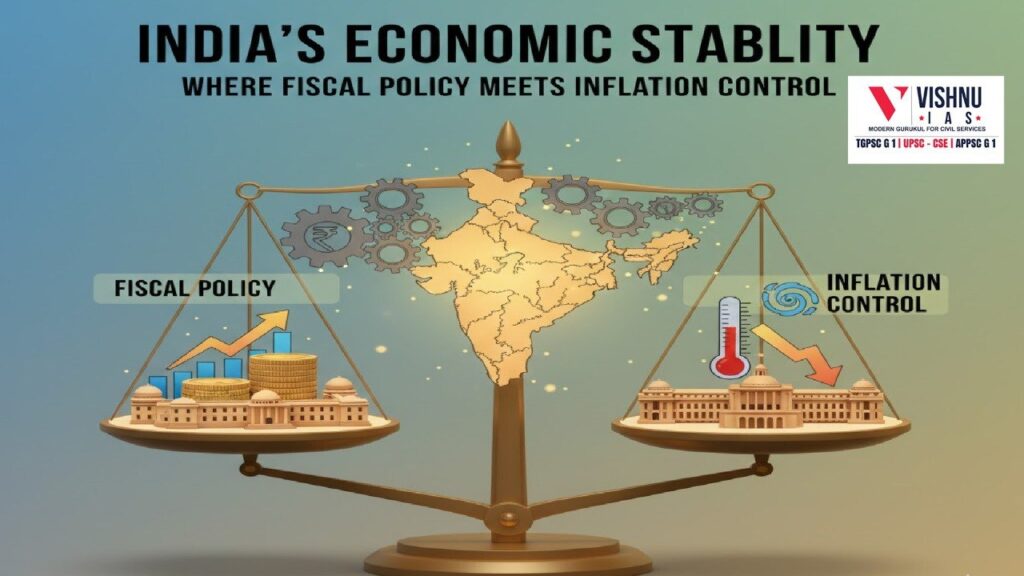
Explore how fiscal discipline and inflation targeting work together to ensure macroeconomic stability in India. This blog critically analyses the FIT framework, FRBM Act, fiscal risks, and policy coordination for sustained growth.

Fiscal Discipline and Inflation Targeting in India: A Critical Analysis for Macroeconomic Stability

Fiscal Discipline and Inflation Targeting in India: A Critical Analysis for Macroeconomic Stability Fiscal discipline and inflation targeting form the core pillars of India’s macroeconomic stability framework. As inflation control becomes central to economic welfare, especially under the Flexible Inflation Targeting (FIT) regime, the interplay between these two policies determines how effectively India can manage

Fiscal Discipline and Inflation Targeting in India: A Critical Analysis for Macroeconomic Stability Read More »

Explore how competitive federalism has reshaped the investment landscape of Indian states, especially in the technological and manufacturing sectors. Learn how state-level competition and innovation are driving India's growth story

How Competitive Federalism Transformed the Investment Landscape of Indian States in Technology and Manufacturing Sectors

How Competitive Federalism Transformed the Investment Landscape of Indian States How Competitive Federalism Transformed the Investment Landscape of Indian States Competitive federalism refers to a system where the constituent units of a federation—such as States in India—compete among themselves to attract investment, improve governance, and enhance service delivery. It contrasts with cooperative federalism, which emphasizes

How Competitive Federalism Transformed the Investment Landscape of Indian States in Technology and Manufacturing Sectors Read More »

Explore how India can balance voter privacy and electoral transparency amid rising use of booth-level data and video recordings. Learn about legal safeguards, technology, and reforms ensuring free and fair elections.

Balancing Voter Privacy and Electoral Transparency | Challenges of Booth-Level Data & Video Recordings

Balancing Voter Privacy and Electoral Transparency: Challenges of Booth-Level Data & Video Recordings <stron/p> Introduction Free and fair elections form the foundation of any democracy, ensuring legitimacy and public trust in governance. In India, where over 96 crore citizens are registered voters, the integrity and transparency of electoral processes are vital for maintaining democratic confidence.

Balancing Voter Privacy and Electoral Transparency | Challenges of Booth-Level Data & Video Recordings Read More »

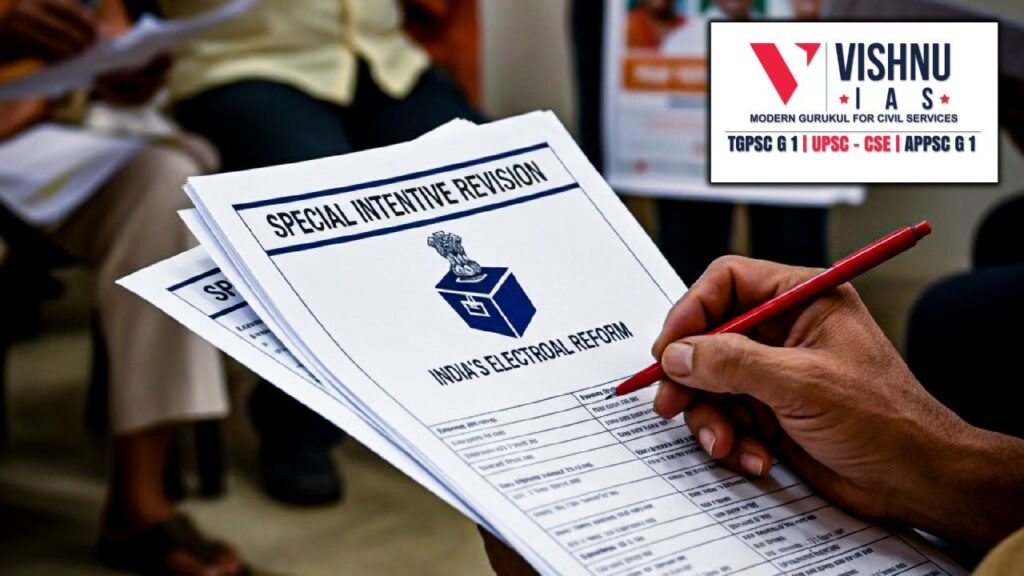
Special Intensive Revision (SIR) is both a test case and a necessary reform in India’s electoral management — assessing ECI capacity while modernising electoral rolls.

Special Intensive Revision: A Test Case and Necessary Reform in India’s Electoral Management

Special Intensive Revision: A Test Case and Necessary Reform in India’s Electoral Management Introduction: The Special Intensive Revision (SIR) of Electoral Rolls is a time-bound, house-to-house verification and rationalisation of the electoral register initiated by the Election Commission of India (ECI) under its constitutional authority (Article 324) and statutory mandate (Section 21 of the Representation

Special Intensive Revision: A Test Case and Necessary Reform in India’s Electoral Management Read More »

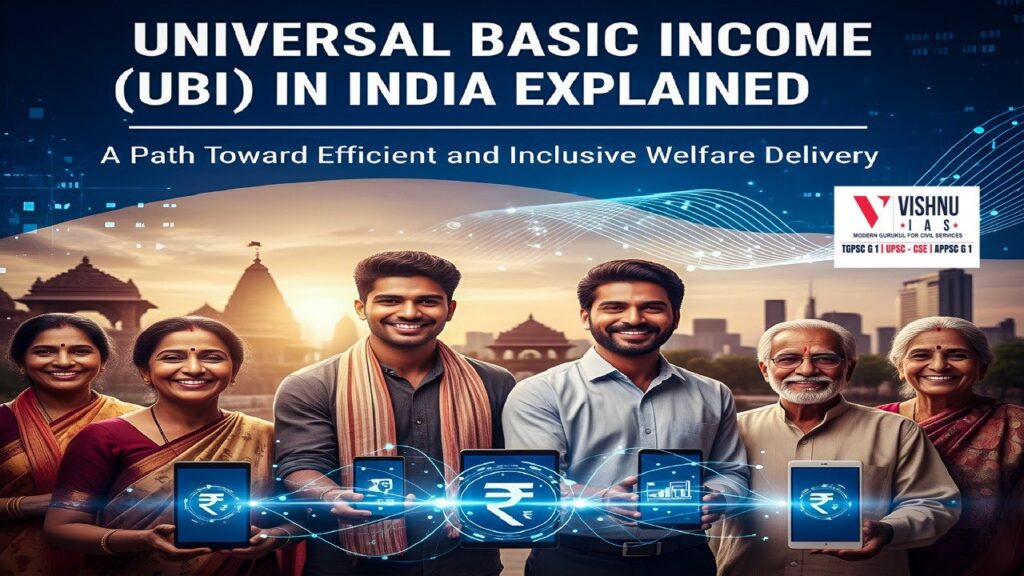
Explore how Universal Basic Income (UBI) can transform India’s fragmented welfare system into an inclusive, transparent, and efficient model for growth. Learn its benefits, challenges, and potential for social equity.

Universal Basic Income (UBI) in India: Streamlining Welfare Delivery and Ensuring Inclusive Growth

Universal Basic Income (UBI) in India: Streamlining Welfare Delivery and Ensuring Inclusive Growth <strong   Universal Basic Income (UBI) in India is gaining traction as a potential game-changer in social welfare and inclusive growth. A Universal Basic Income (UBI) is a policy model whereby every citizen receives a periodic, unconditional cash transfer, irrespective of employment

Universal Basic Income (UBI) in India: Streamlining Welfare Delivery and Ensuring Inclusive Growth Read More »

Scroll to Top