Blogs and Articles

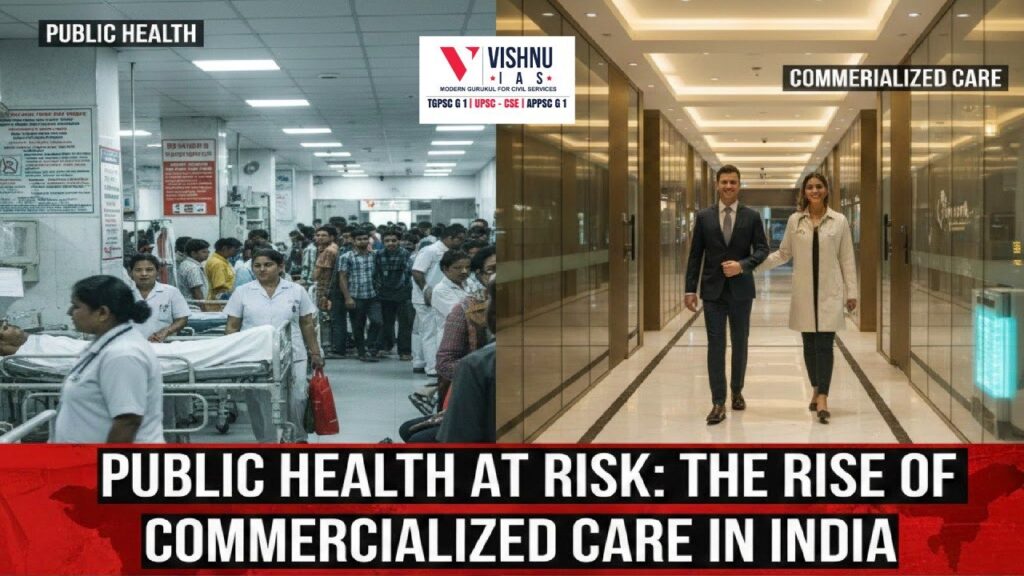
Explore how Public–Private Partnerships in Indian Healthcare and rising commercialisation may dismantle India’s weakened public health system, increasing inequality and undermining the constitutional right to health.

How Public–Private Partnerships in Indian Healthcare Threaten Public Health & the Right to Health

How Public–Private Partnerships in Indian Healthcare Threaten Public Health & the Right to Health Public–Private Partnerships in Indian Healthcare have expanded rapidly in recent years, raising critical concerns about accessibility, affordability, and the weakening of public health systems. A robust public health system is central to the realization of health as a fundamental human right, […]
How Public–Private Partnerships in Indian Healthcare Threaten Public Health & the Right to Health Read More »

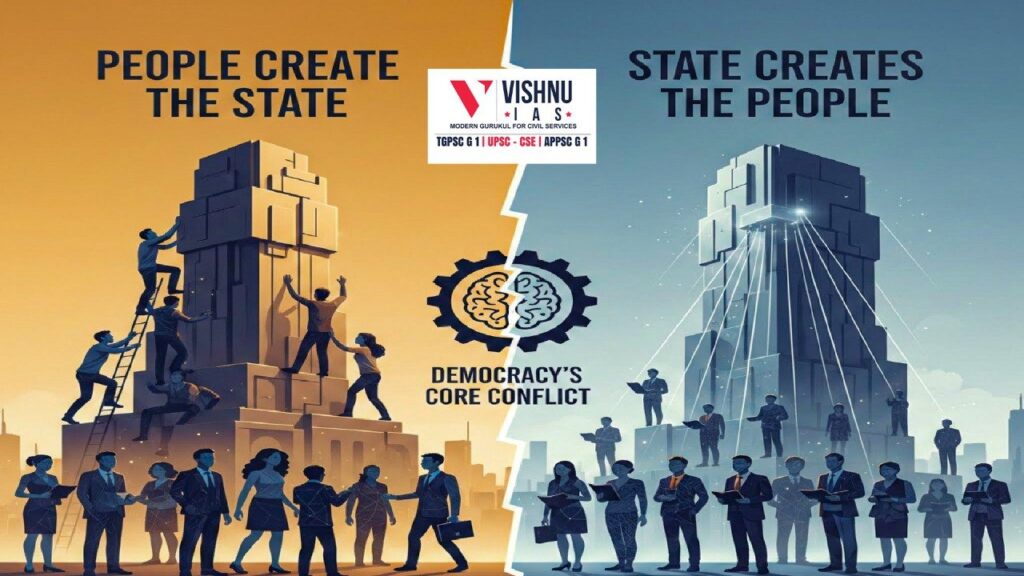
Explore the paradox of democracy in India, where the state decides who ‘the people’ are, through the lens of the Election Commission’s Special Intensive Revision (SIR) of electoral rolls.

Paradox of Democracy in India: Election Commission’s SIR and the Battle Over ‘The People

Paradox of Democracy in India: Election Commission’s SIR and the Battle Over ‘The People’ Introduction The paradox of democracy in India becomes evident when the state, which is a creation of the people, acquires the power to decide who truly belongs to ‘the people’. The legitimacy of a modern democratic state rests on the principle

Paradox of Democracy in India: Election Commission’s SIR and the Battle Over ‘The People Read More »

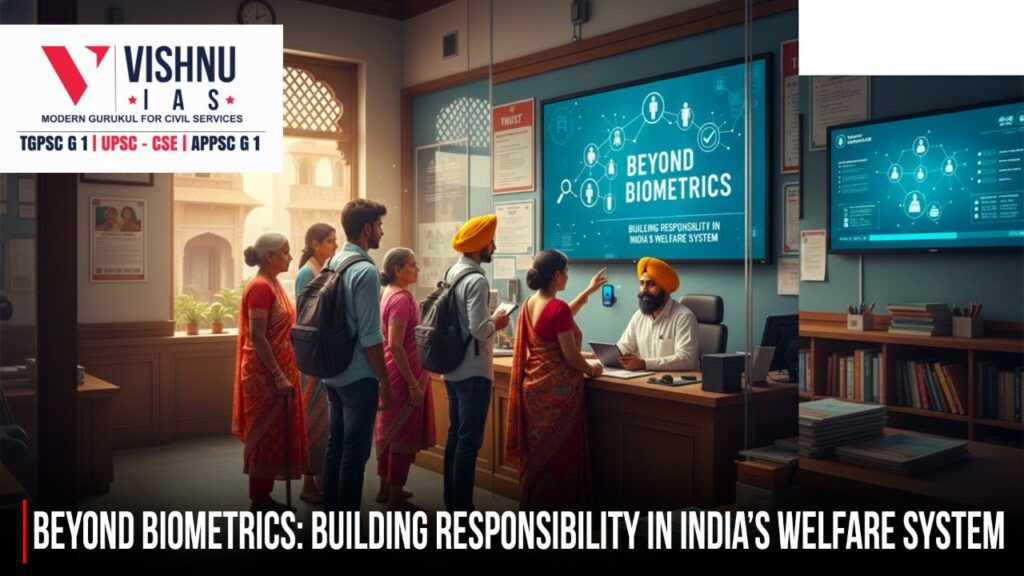
Explore how mandatory digital systems in welfare delivery like Aadhaar-Based Biometric Authentication and geo-tagging impact corruption, absenteeism and responsibility in India.

Mandatory Digital Systems in Welfare Delivery: Evaluating ABBA, Aadhaar and Geo-Tagging in India

Mandatory Digital Systems in Welfare Delivery: Evaluating ABBA, Aadhaar and Geo-Tagging in India Ensuring efficient and corruption-free welfare delivery remains a persistent administrative challenge in India, where leakages, absenteeism, and weak monitoring have historically undermined programme outcomes. Over the last decade, governments have increasingly adopted mandatory digital systems in welfare delivery such as Aadhaar-Based Biometric

Mandatory Digital Systems in Welfare Delivery: Evaluating ABBA, Aadhaar and Geo-Tagging in India Read More »

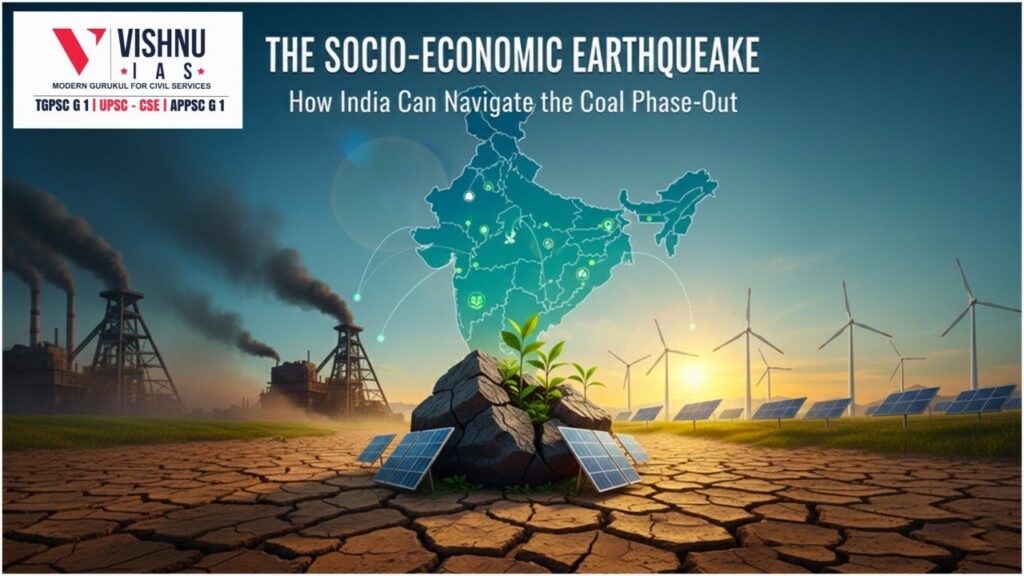
Discover the major socio-economic challenges in India’s coal phase-out and explore a structured roadmap for a just transition that protects jobs, regional economies, and energy security.

Socio-Economic Challenges in India’s Coal Phase-Out: Critical Analysis & Just Transition Roadmap

Socio-Economic Challenges in India’s Coal Phase-Out: A Critical Analysis & Just Transition Measures Socio-Economic Challenges in India’s Coal Phase-Out: A Critical Analysis & Measures for a Just Transition The socio-economic challenges in India’s coal phase-out are deeply intertwined with regional employment, energy security, state finances, and the pace of renewable energy adoption. A coal phase-out,

Socio-Economic Challenges in India’s Coal Phase-Out: Critical Analysis & Just Transition Roadmap Read More »

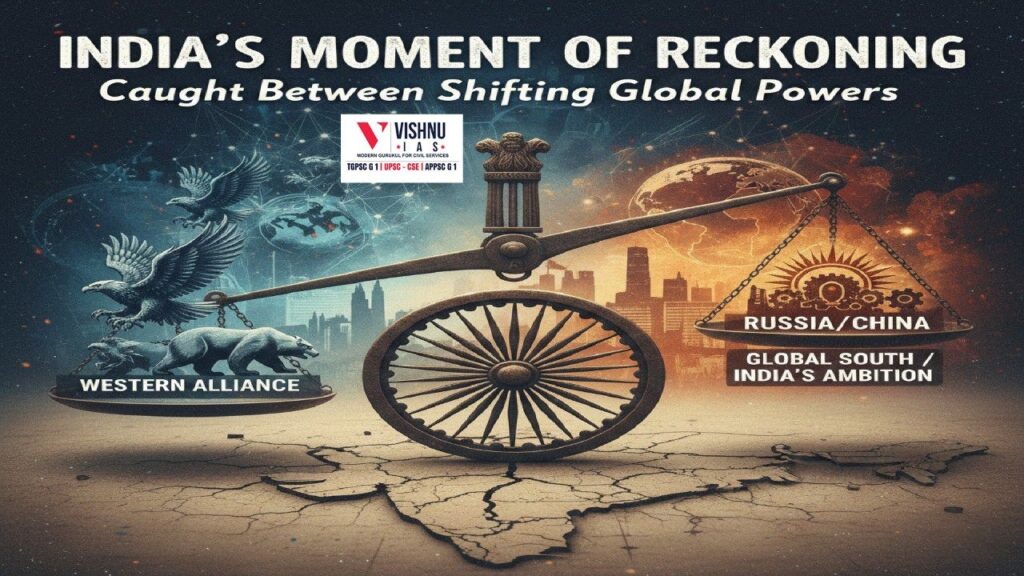
India’s moment of reckoning in global politics is defined by rising regional volatility, shifting power balances and a growing perception of diplomatic isolation across its western and eastern flanks.

India’s Moment of Reckoning: Is It Becoming an Outlier in Global Politics

India’s Moment of Reckoning: Is It Becoming an Outlier in Global Politics? Introduction: India’s strategic environment in the mid-2020s is marked by heightened regional volatility, sharpening great-power contestation, and a rise in non-traditional security threats, prompting many analysts to describe the present as a “moment of reckoning” for Indian foreign policy. The assertion that India

India’s Moment of Reckoning: Is It Becoming an Outlier in Global Politics Read More »

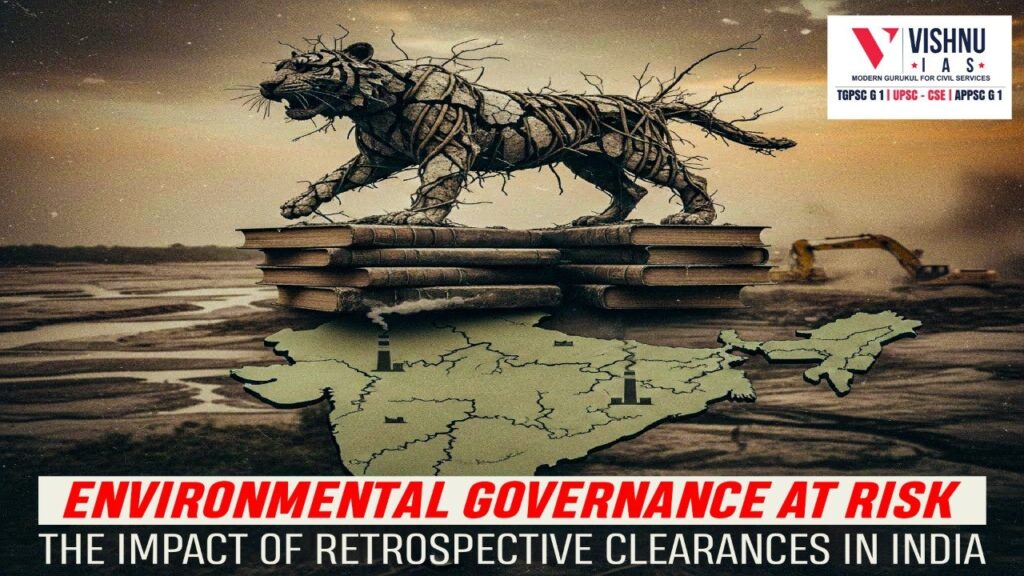
Retrospective environmental clearances in India weaken accountability, reduce deterrence, and erode the environmental rule of law, undermining sustainable development.

How Retrospective Environmental Clearances in India Weaken Accountability and Deterrence

How Retrospective Environmental Clearances in India Weaken Accountability and Deterrence Retrospective environmental clearances in India have emerged as a contentious feature of environmental governance, raising serious concerns about accountability, deterrence, and the integrity of regulatory institutions. Introduction • Retrospective or ex post facto environmental clearances refer to the practice of granting Environmental Clearances (ECs) to

How Retrospective Environmental Clearances in India Weaken Accountability and Deterrence Read More »

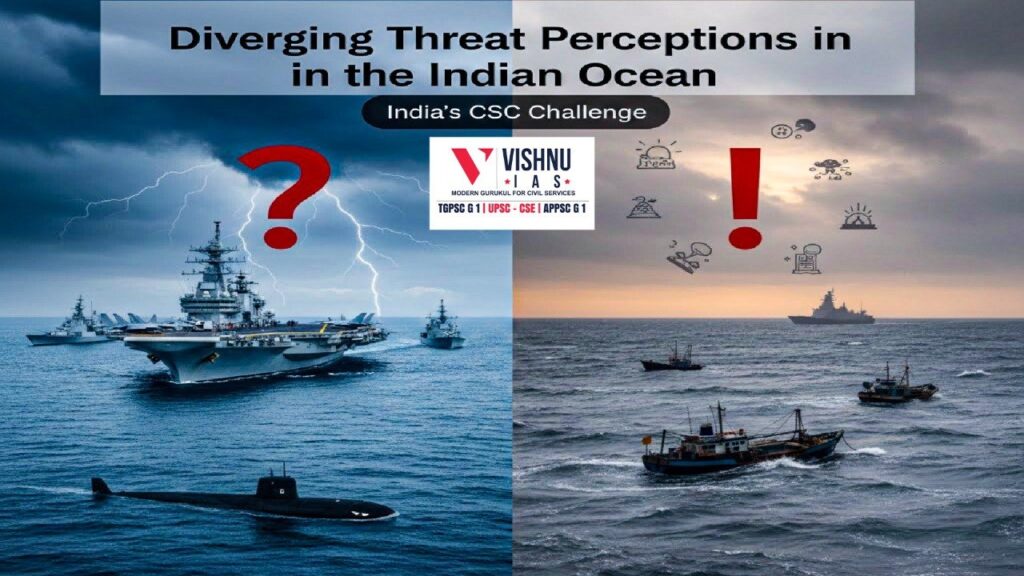
Explore how the Colombo Security Conclave shapes India’s strategic challenge as China’s growing presence in the Indian Ocean creates divergent threat perceptions among member states.

Colombo Security Conclave: India’s Strategic Challenge Amid Growing Chinese Presence in the Indian Ocean

Colombo Security Conclave: India’s Strategic Challenge Amid Growing Chinese Presence in the Indian Ocean Introduction The Colombo Security Conclave (CSC) has emerged as a crucial sub-regional security framework in the Indian Ocean Region (IOR), focusing on maritime security, counter-terrorism, cybersecurity, and transnational crime. The strategic relevance of the CSC is amplified by the Indian Ocean’s

Colombo Security Conclave: India’s Strategic Challenge Amid Growing Chinese Presence in the Indian Ocean Read More »

Antimicrobial Resistance (AMR) is no longer just a medical issue—it is a national development priority for India, impacting public health, agriculture, environment, economy, and governance. Learn how AMR threatens progress and why a One Health approach is essential.

How Antimicrobial Resistance (AMR) Became a National Development Priority in India

How Antimicrobial Resistance (AMR) Became a National Development Priority in India Antimicrobial Resistance (AMR) is no longer just a medical issue—it has evolved into a national development priority for India, influencing public health, economic productivity, agriculture, environment, and governance structures. Introduction • Antimicrobial Resistance (AMR) refers to the ability of microbes such as bacteria, fungi,

How Antimicrobial Resistance (AMR) Became a National Development Priority in India Read More »

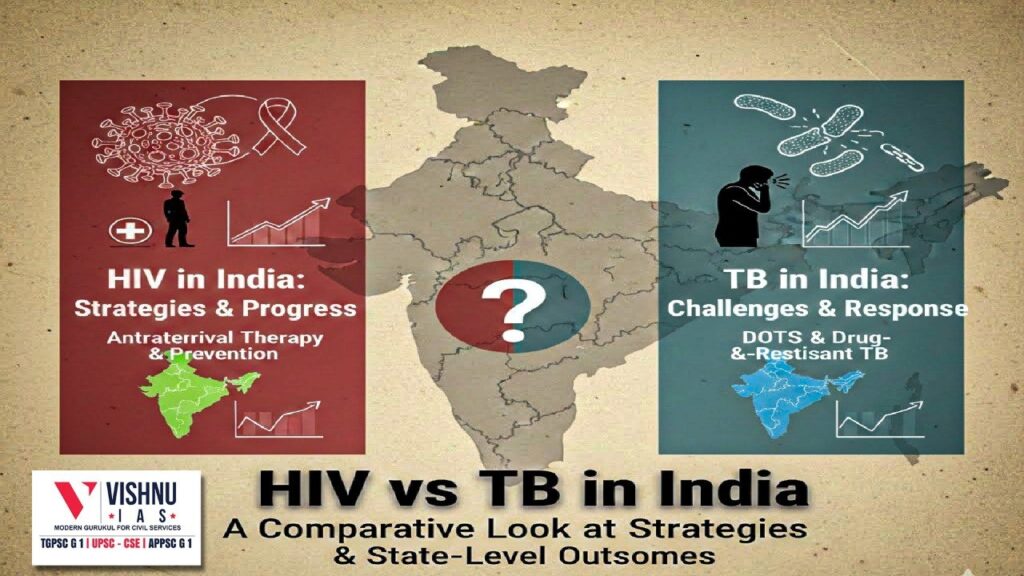
Discover how India’s HIV epidemic control strategy differs from its current TB eradication efforts. Learn about program design, interventions, surveillance gaps, and how State-level variations shape health outcomes across India.

India’s HIV Epidemic Control Strategy vs TB Eradication Efforts: Key Differences & State-Level Variations

India’s HIV Epidemic Control Strategy vs TB Eradication Efforts: Key Differences & State-Level Variations Explained India’s HIV epidemic control strategy and its current TB eradication efforts represent two contrasting public health journeys shaped by institutional design, disease characteristics, and State-level variations. While India managed to reduce HIV prevalence through targeted interventions and autonomous bodies, tuberculosis

India’s HIV Epidemic Control Strategy vs TB Eradication Efforts: Key Differences & State-Level Variations Read More »

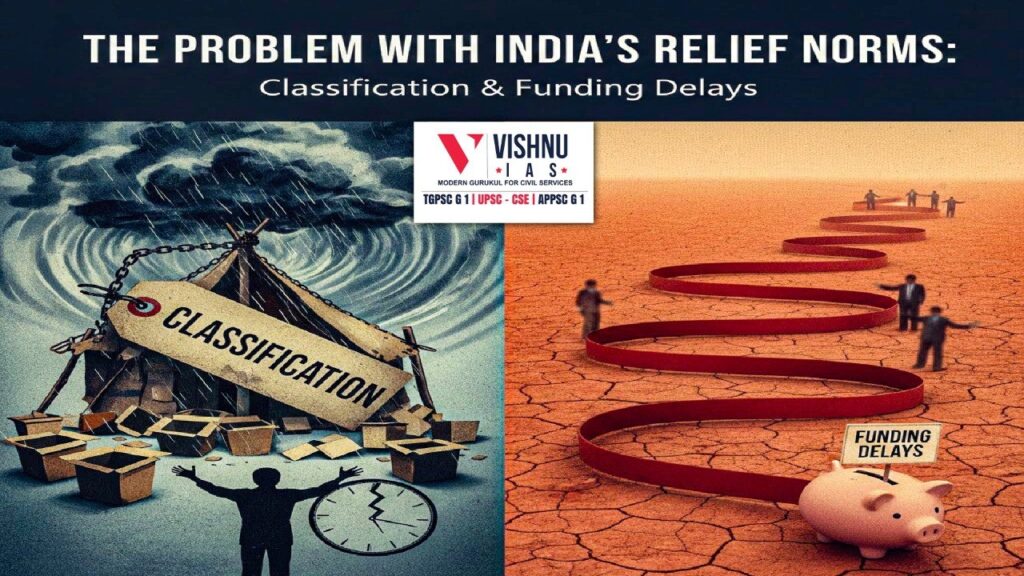
disaster-financing-in-india-challenges-outdated-relief-norms-ambiguous-classification-delays

Disaster Financing in India: Challenges of Outdated Relief Norms, Ambiguous Classifications & Procedural Delays

Disaster Financing in India: Outdated Relief Norms, Ambiguous Classifications and Procedural Delays Introduction India’s disaster-financing architecture and overall disaster financing in India, anchored in the Disaster Management Act, 2005, was designed to uphold cooperative federalism, ensure timely inter-governmental transfers, and provide predictable financial support to States during calamities. However, the increasing frequency and intensity of

Disaster Financing in India: Challenges of Outdated Relief Norms, Ambiguous Classifications & Procedural Delays Read More »

Scroll to Top