Vishnu IAS Academy

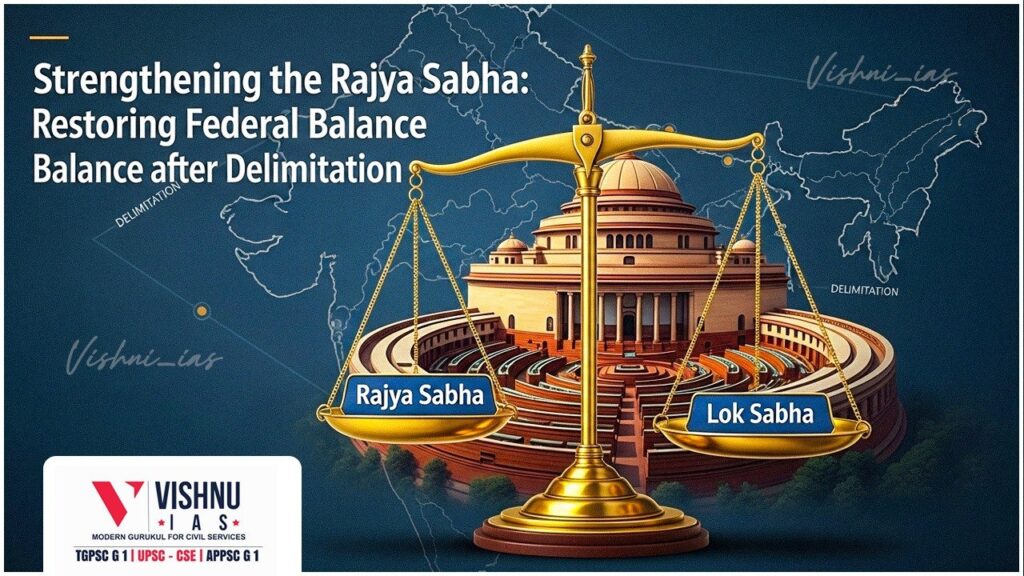
Strengthening the Rajya Sabha after delimitation can act as a corrective mechanism to balance federal representation, preserve cooperative federalism, and address population-based imbalances in the Lok Sabha.

Strengthening the Rajya Sabha after Delimitation: A Federal Corrective Mechanism

Introduction Strengthening the Rajya Sabha after delimitation has emerged as a crucial constitutional debate as India prepares for a major restructuring of political representation. Delimitation refers to the constitutional process of redrawing electoral boundaries and reallocating seats to reflect population changes. India’s inter-State allocation of Lok Sabha seats has been frozen since the 1971 Census, […]

Strengthening the Rajya Sabha after Delimitation: A Federal Corrective Mechanism Read More »
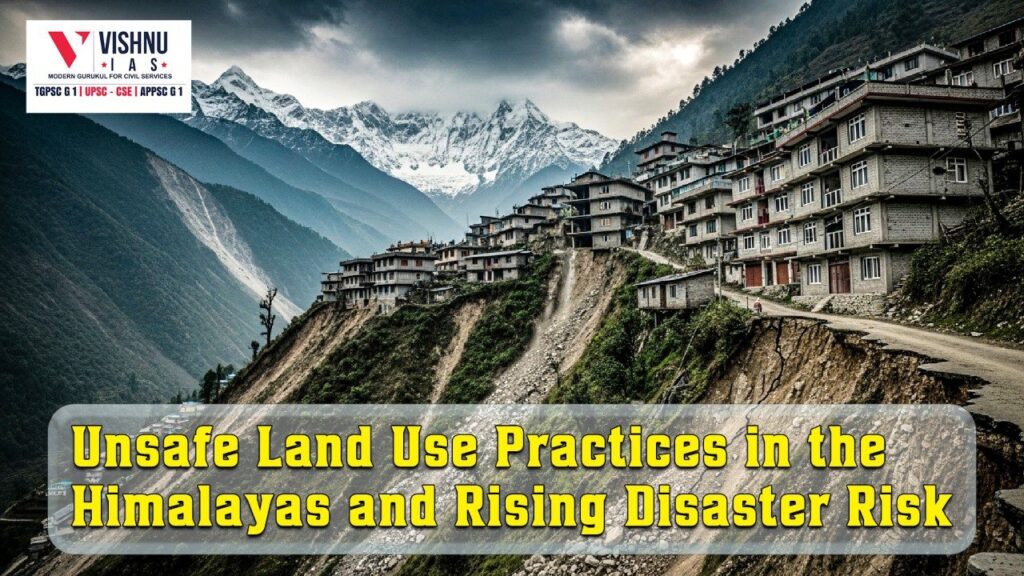
Unsafe land use practices in the Himalayas such as slope cutting, tunnelling, and muck dumping are amplifying disaster risk through landslides, floods, and ecological instability. Understand how unscientific development is turning natural hazards into recurring catastrophes.

Unsafe Land Use Practices in the Himalayas and Rising Disaster Risk

Unsafe Land Use Practices in the Himalayas and Rising Disaster Risk Unsafe land use practices in the Himalayas have emerged as a major driver of disaster risk, intensifying landslides, flash floods, land subsidence, and ecological degradation. Activities such as indiscriminate slope cutting, poorly assessed tunnelling, and unscientific muck dumping are transforming naturally fragile mountain systems

Unsafe Land Use Practices in the Himalayas and Rising Disaster Risk Read More »

The removal of High Court judges in India is governed by Articles 217 and 124 and the Judges (Inquiry) Act, 1968. This article examines whether the current system fairly balances judicial independence and accountability.

Removal of High Court Judges in India: Constitutional Framework, Independence and Accountability

Removal of High Court Judges in India: Constitutional Framework, Independence and Accountability Introduction The removal of High Court judges in India represents one of the most delicate constitutional questions in Indian democracy, situated at the intersection of judicial independence and democratic accountability. The Constitution consciously adopts the term “removal” rather than “impeachment” for judges, underscoring

Removal of High Court Judges in India: Constitutional Framework, Independence and Accountability Read More »

De-dollarisation implications are reshaping the global financial architecture as China and India reduce reliance on the US dollar through local currency trade, energy settlements, and alternative payment systems.

De-dollarisation Implications for Global Financial Architecture: China and India’s Strategic Shift

De-dollarisation Implications for Global Financial Architecture: China and India’s Strategic Shift De-dollarisation implications have become a central theme in debates on the future of the global financial architecture. As countries like China and India experiment with reducing reliance on the U.S. dollar in trade, finance, and reserves, the long-standing dollar-centric system is witnessing cautious but

De-dollarisation Implications for Global Financial Architecture: China and India’s Strategic Shift Read More »

A critical analysis of continuing mandamus in India’s environmental governance and how judicial intervention impacts the institutional capacity of environmental regulators.

Continuing Mandamus and Environmental Governance in India: Judicial Activism vs Regulatory Capacity

Continuing Mandamus and Environmental Governance in India: Judicial Activism vs Regulatory Capacity Continuing mandamus environmental governance India has emerged as a defining feature of judicial intervention in recent decades, raising critical questions about the balance between constitutional oversight and the autonomy of specialized environmental regulators. Introduction Environmental governance in India operates within a complex constitutional

Continuing Mandamus and Environmental Governance in India: Judicial Activism vs Regulatory Capacity Read More »

Explore the effectiveness of NATGRID in counter-terrorism and how its integration with the National Population Register (NPR) is reshaping India’s security and intelligence ecosystem while raising governance and privacy concerns.

Evaluating NATGRID in Counter-Terrorism: Impact of NPR Integration on India’s Security Framework

Evaluating the Effectiveness of NATGRID in Counter-Terrorism Efforts After NPR Integration Evaluate the Effectiveness of NATGRID in Enhancing India’s Counter-Terrorism Efforts — Considering Its Recent Integration with NPR The role of NATGRID in counter-terrorism has become increasingly significant in India’s security ecosystem, especially after its integration with the National Population Register (NPR). Evaluating its effectiveness

Evaluating NATGRID in Counter-Terrorism: Impact of NPR Integration on India’s Security Framework Read More »

The Right to Disconnect in India is gaining global attention as countries redefine work-life balance in the digital age. This article explores global trends and the socio-economic challenges India may face in implementing a Right to Disconnect law across its diverse and informal workforce.

Right to Disconnect in India: Global Trends, Challenges, and the Future of Work

Right to Disconnect in India: Global Trends and Socio-Economic Challenges The Right to Disconnect in India is gaining global attention as countries redefine work-life balance in the digital age. This article explores global trends and the socio-economic challenges India may face in implementing a Right to Disconnect law across its diverse and informal workforce. The

Right to Disconnect in India: Global Trends, Challenges, and the Future of Work Read More »

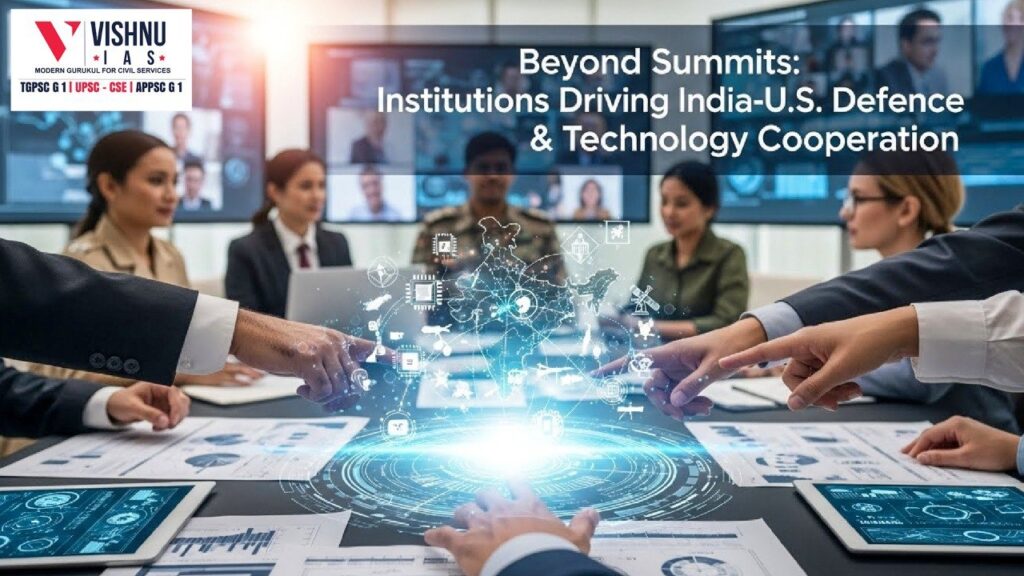
Institutional frameworks now drive India–U.S. defence and technology partnerships more than high-level summits, strengthening interoperability, innovation, and strategic stability.

Institutional Mechanisms Power India–U.S. Defence and Technology Partnerships

Institutional Mechanisms Power India–U.S. Defence and Technology Partnerships Institutional frameworks now play a decisive role in shaping India–U.S. defence and technology partnerships, ensuring strategic stability, defence innovation, and long-term cooperation beyond the optics of high-level political summits. Introduction: India–United States relations illustrate a mature strategic partnership where institutional mechanisms increasingly outweigh summit-level diplomacy in sustaining

Institutional Mechanisms Power India–U.S. Defence and Technology Partnerships Read More »

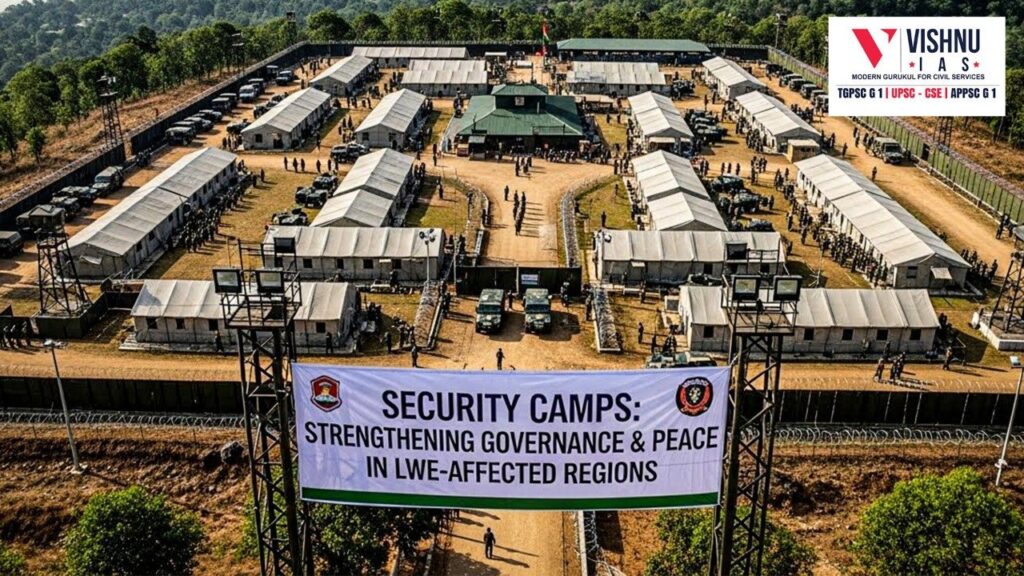
Security camps in Left Wing Extremism affected areas play a crucial role in restoring governance, improving security, boosting welfare delivery and building long-term peace. Learn how they address both security and governance deficits in LWE-affected regions.

Security Camps in Left Wing Extremism Affected Areas: Strengthening Security and Governance

Security Camps in Left Wing Extremism Affected Areas: Strengthening Security and Governance Security Camps in Left Wing Extremism Affected Areas: Strengthening Security and Governance Security Camps in Left Wing Extremism Affected Areas have emerged as one of the most significant tools for restoring peace, rebuilding governance and re-establishing State legitimacy in regions historically impacted by

Security Camps in Left Wing Extremism Affected Areas: Strengthening Security and Governance Read More »

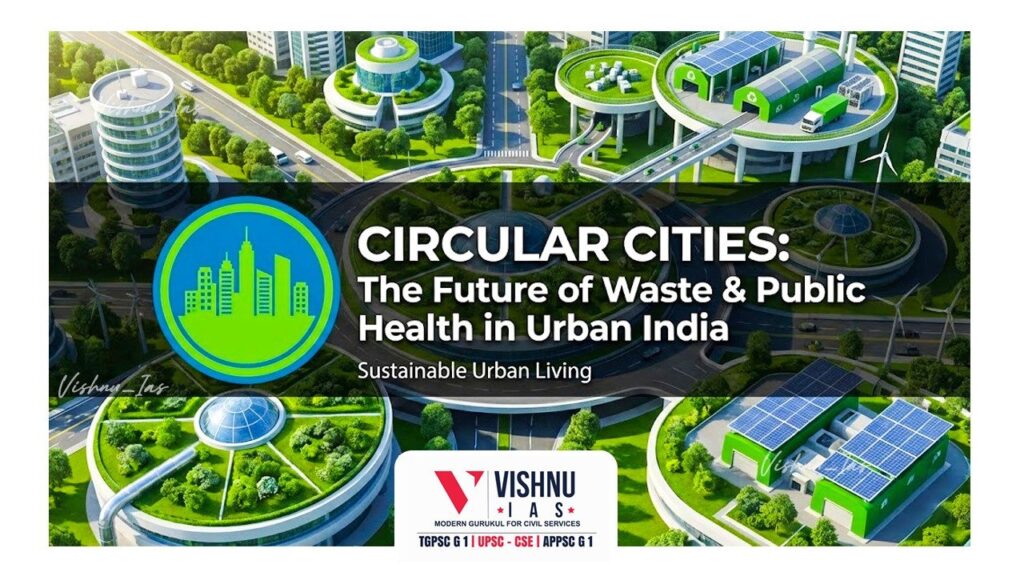
Urban India’s Shift to Circular Waste Management: A Necessity for Climate Resilience & Public Health

Urban India’s Shift to Circular Waste Management: A Necessity for Climate Resilience & Public Health Urban India’s Shift to Circular Waste Management: A Necessity for Climate Resilience & Public Health Circular Waste Management in Urban India is emerging as a defining pillar of sustainable urban development, climate resilience, and public health security. Urban waste management

Urban India’s Shift to Circular Waste Management: A Necessity for Climate Resilience & Public Health Read More »

Scroll to Top