Vishnu IAS Academy

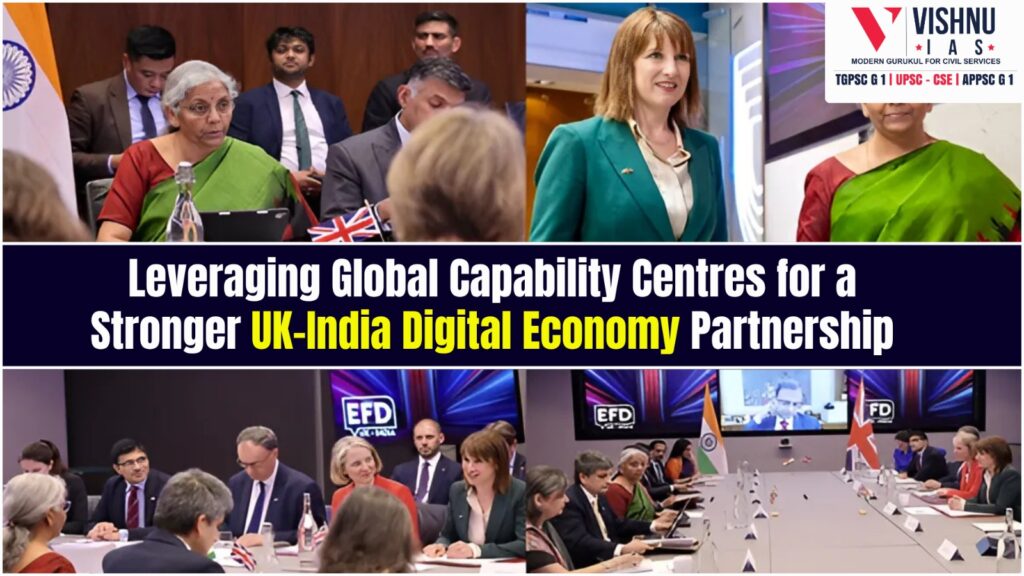
Discover how Global Capability Centres (GCCs) in India can strengthen UK–India economic ties through a Free Trade Agreement by enhancing regulatory ease, talent mobility, and digital innovation.

Leveraging Global Capability Centres in India to Boost UK–India Economic Ties via Free Trade Agreement

Leveraging Global Capability Centres in India to Boost UK–India Economic Ties via Free Trade Agreement Meta Description: Discover how Global Capability Centres (GCCs) in India can strengthen UK–India economic ties through a Free Trade Agreement by enhancing regulatory ease, talent mobility, and digital innovation. Global Capability Centres (GCCs) have emerged as strategic hubs for R&D, […]

Leveraging Global Capability Centres in India to Boost UK–India Economic Ties via Free Trade Agreement Read More »

India has the opportunity to champion inclusive AI governance at the 2026 AI Impact Summit by leveraging its digital legacy and offering a balanced alternative to fragmented global approaches.

How India Can Lead Inclusive AI Governance at the 2026 AI Impact Summit

How India Can Lead Inclusive AI Governance at the 2026 AI Impact Summit Inclusive AI Governance is no longer just a theoretical framework—it is a pressing global necessity. As AI rapidly advances, India has a unique opportunity to drive global collaboration and equity at the 2026 AI Impact Summit, backed by its digital legacy in

How India Can Lead Inclusive AI Governance at the 2026 AI Impact Summit Read More »

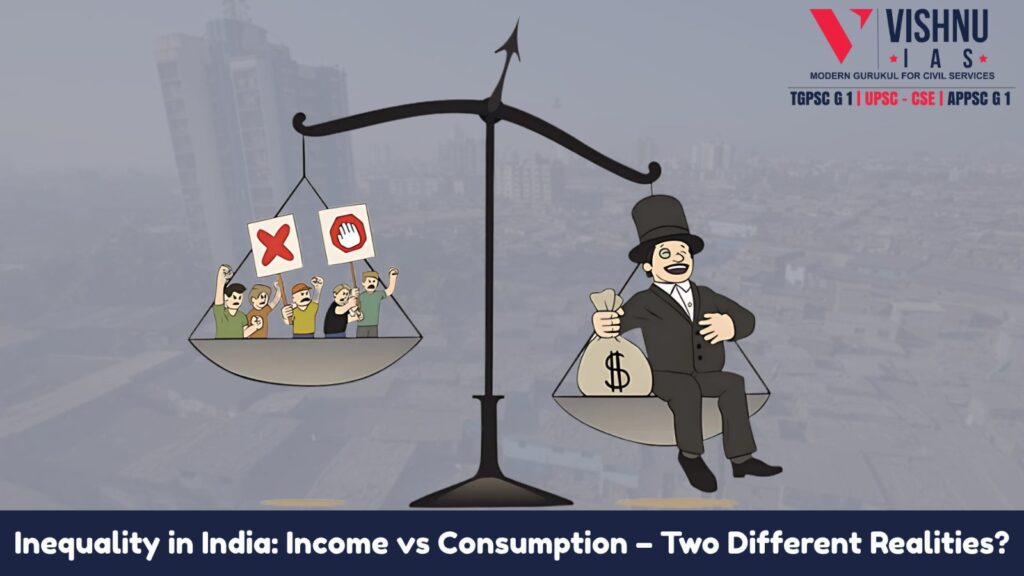
Explore how income and consumption-based data create divergent narratives of inequality in India. Understand recent trends, debates, and data frameworks shaping public policy.

Inequality in India: Contrasting Narratives from Income vs Consumption-Based Measurements

Inequality in India: Contrasting Narratives from Income vs Consumption-Based Measurements Inequality in India—the unequal distribution of income, wealth, and consumption—is a deeply entrenched structural challenge in democracies. In India, where socio-economic stratification intersects with caste, region, and gender, measuring inequality becomes a contentious exercise. The World Bank’s April 2025 “India Poverty and Equity Brief”, which

Inequality in India: Contrasting Narratives from Income vs Consumption-Based Measurements Read More »

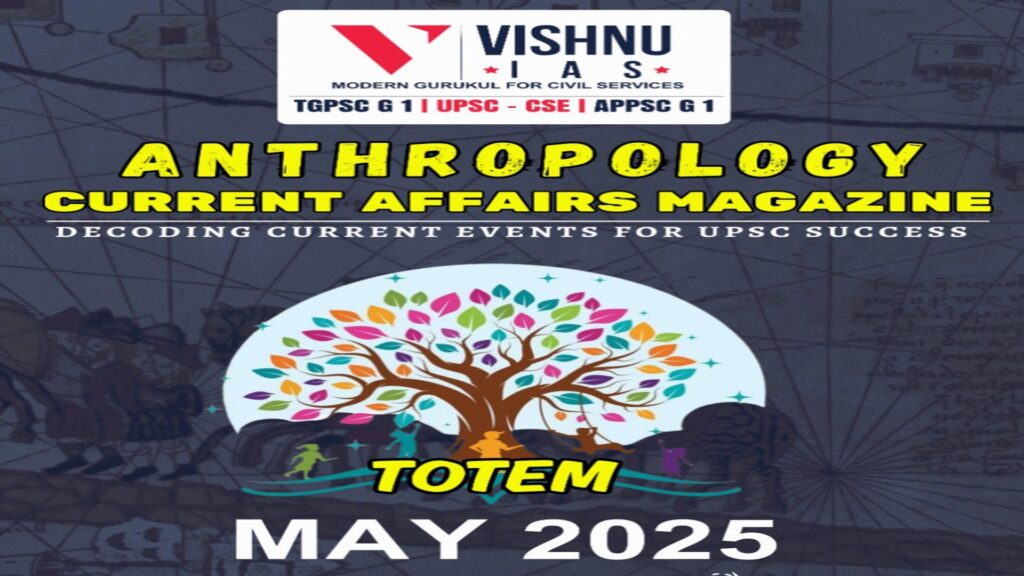
Explore Anthropology Current Affairs for May 2025 in this comprehensive magazine covering tribal case studies, genetic research, and cultural transitions. Ideal for UPSC and anthropology enthusiasts.

Anthropology Current Affairs May 2025: Tribal Case Studies, Genetic Discoveries & Cultural Insights

Anthropology Current Affairs May 2025: Tribal Case Studies, Genetic Discoveries & Cultural Insights         MAY 2025 MONTHLY MAGAZINE – TOTEM MAY ASI study on DIGITAL LITERACY AND IT’S IMPACT ON CULTURAL HERITAGE PRESERVATION- GARO CASE STUDY(Paper 2 Unit 6.1)Case study on : Garo tribe of Meghalaya It details how cultural heritage ensures

Anthropology Current Affairs May 2025: Tribal Case Studies, Genetic Discoveries & Cultural Insights Read More »

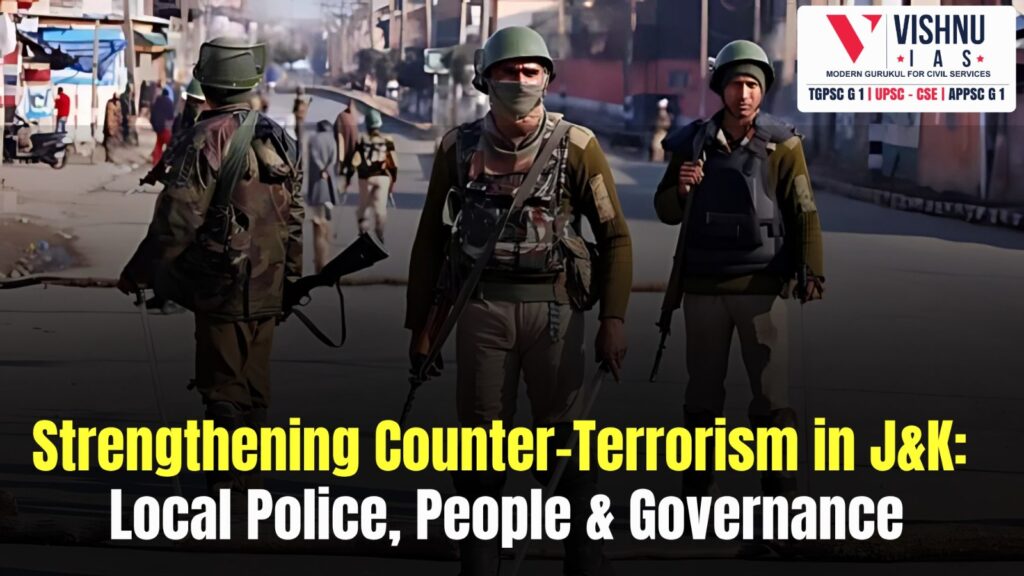
Discover how strengthening counter-terrorism in Jammu & Kashmir requires a shift from militarised strategies to local policing, democratic governance, and community engagement.

Strengthening Counter-Terrorism in Jammu & Kashmir through Local Policing and Community Participation

Strengthening Counter-Terrorism in Jammu & Kashmir through Local Policing and Democratic Governance Counter-terrorism in Jammu & Kashmir has repeatedly revealed the limits of a purely militarised response. As Lieutenant Governor Manoj Sinha underscored on June 16, 2025, the State’s top priority is eradicating terrorism. Equally critical is leveraging the unique “intangible assets” of the Jammu

Strengthening Counter-Terrorism in Jammu & Kashmir through Local Policing and Community Participation Read More »

Get the complete list of the most expected topics for UPSC Mains 2025 GS Paper 1, 2, and 3. Curated with current affairs, case laws, and government schemes for strategic answer writing.

UPSC Mains 2025: Most Expected Topics for GS Paper 1, 2, 3 with Current Affairs Linkages

UPSC Mains 2025 – Most Expected Topics UPSC MAINS 2025 Most Expected Topics for Mains – GS I, II, III Expected Topics for UPSC GS Paper-I Mains 2025 S.No Topic Sub-topic Why It’s Expected in 2025 I. Indian Culture (11 Topics) 1 Nagara style of Temple Architecture and its regional variations Indian Culture Consecration of

UPSC Mains 2025: Most Expected Topics for GS Paper 1, 2, 3 with Current Affairs Linkages Read More »

India's seismic vulnerability poses a major risk to urban safety and infrastructure. Learn how policy enforcement, retrofitting, and seismic zoning can transform earthquake resilience in India.

India’s Seismic Vulnerability: Bridging Infrastructure Gaps to Build Earthquake Resilience

India’s Seismic Vulnerability: Bridging Infrastructure Gaps to Build Earthquake Resilience India’s seismic vulnerability poses a significant threat to millions living in earthquake-prone zones. The recent Delhi tremor highlights the urgent need for proactive reforms to strengthen earthquake resilience in India. This blog outlines key challenges and strategic solutions for risk reduction and policy enforcement. Context

India’s Seismic Vulnerability: Bridging Infrastructure Gaps to Build Earthquake Resilience Read More »

India’s Seismic Vulnerability: Bridging Infrastructure Gaps to Build Earthquake Resilience

India’s Seismic Vulnerability: Bridging Infrastructure Gaps to Build Earthquake Resilience India’s seismic vulnerability poses a significant threat to millions living in earthquake-prone zones. The recent Delhi tremor highlights the urgent need for proactive reforms to strengthen earthquake resilience in India. This blog outlines key challenges and strategic solutions for risk reduction and policy enforcement. Context

India’s Seismic Vulnerability: Bridging Infrastructure Gaps to Build Earthquake Resilience Read More »

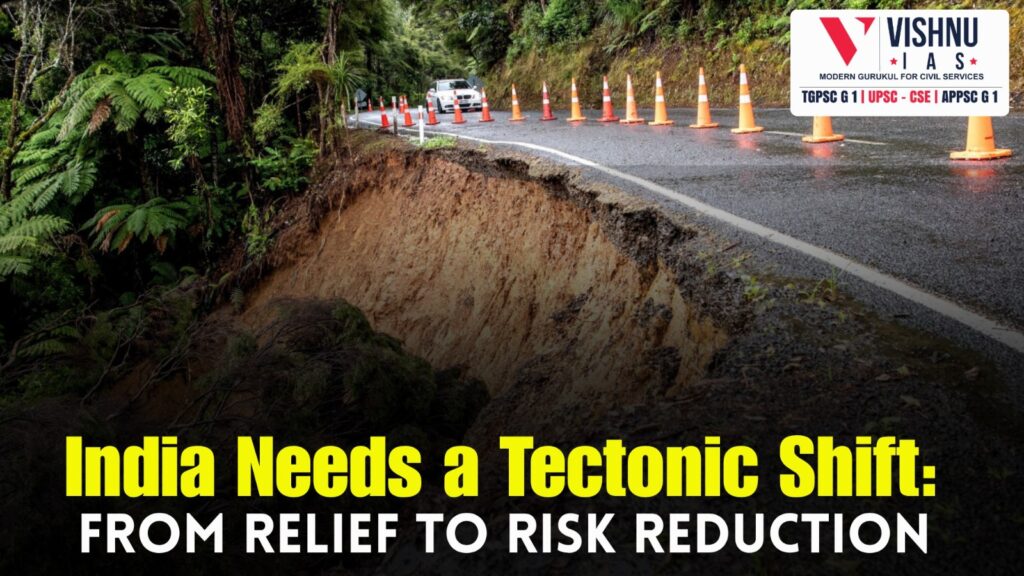
India's earthquake management strategy needs a tectonic shift—from reactive relief to proactive risk reduction. With over 59% of the landmass seismically active, a resilient and preventive approach is now a national priority.

Why India Needs a Tectonic Shift in Earthquake Management Strategy: From Reaction to Resilience

Why India Needs a Tectonic Shift in Earthquake Management Strategy: From Reaction to Resilience India’s earthquake management strategy needs urgent reform. With 59% of its landmass prone to seismic activity and urban infrastructure underprepared, there is an immediate need to shift from reactive relief to risk reduction in disaster management. This blog analyses the vulnerabilities

Why India Needs a Tectonic Shift in Earthquake Management Strategy: From Reaction to Resilience Read More »

Scroll to Top