
Vishnu Vardhan

#10- Dual Hand Use In Early Human Relative

Dual Hand Use In Early Human Relative Summary: Research by anthropologists has identified hand use behavior in fossil human relatives that is consistent with modern humans. The human lineage can be defined by a transition in hand use. Early human ancestors used their hands to move around in the trees, like living primates do today, […]

#10- Dual Hand Use In Early Human Relative Read More »

#9-Chimpanzees Help Trace The Evolution Of Human Speech Back To Ancient Ancestors

Chimpanzees Help Trace The Evolution Of Human Speech Back To Ancient Ancestors Summary: One of the most promising theories for the evolution of human speech has finally received support from chimpanzee communication. The evolution of speech is one of the longest- standing puzzles of evolution. However, inklings of a possible solution started emerging some years

#9-Chimpanzees Help Trace The Evolution Of Human Speech Back To Ancient Ancestors Read More »

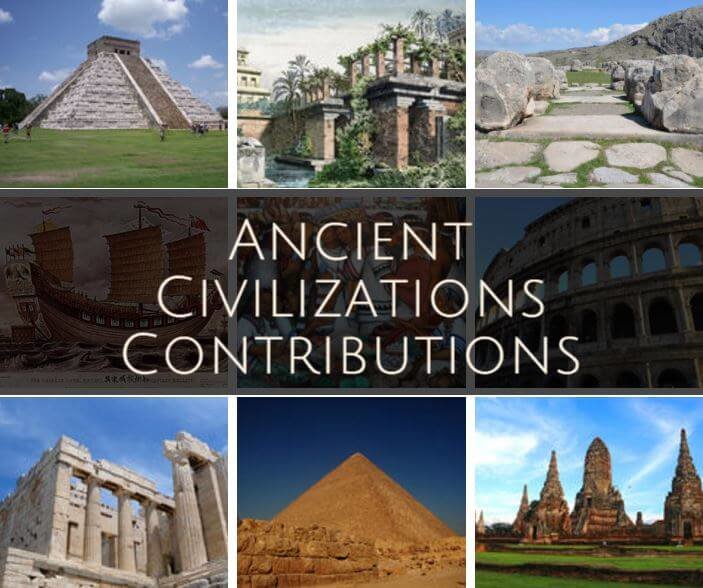
#8-Information technology played key role in growth of ancient civilizations

Information technology played key role in growth of ancient civilizations Summary: A new article shows the ability to store and process information was as critical to the growth of early human societies as it is today. When it comes to the great civilizations of human history, the pen really might have been mightier than the

#8-Information technology played key role in growth of ancient civilizations Read More »

Increased fertility for women with Neanderthal gene, study suggests

Increased fertility for women with Neanderthal gene, study suggests Summary: One in three women in Europe inherited the receptor for progesterone from Neanderthals — a gene variant associated with increased fertility, fewer bleedings during early pregnancy and fewer miscarriages, according to new research.   One in three women in Europe inherited the receptor for progesterone

Increased fertility for women with Neanderthal gene, study suggests Read More »

#6-Migration Patterns Reveal An Eden For Encient Humans And Animals

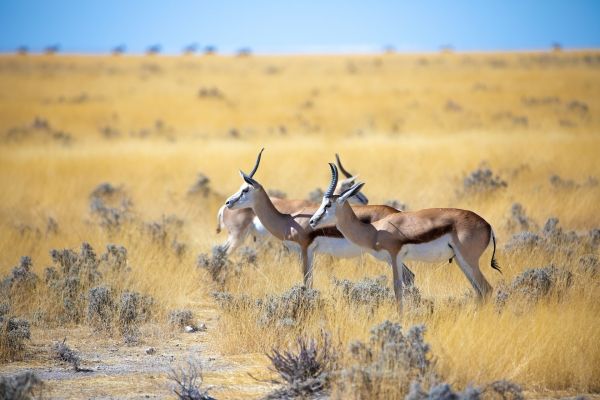
Migration patterns reveal an Eden for ancient humans and animals Summary: Researchers have discovered a new migration pattern (or lack of) at Pinnacle Point, a now-submerged region in South Africa. While it was first believed large omnivores would travel to follow the growth of vegetation to survive, our researcher came to a completely new conclusion

#6-Migration Patterns Reveal An Eden For Encient Humans And Animals Read More »

#5-Tracing The Evolution Of Self-Control

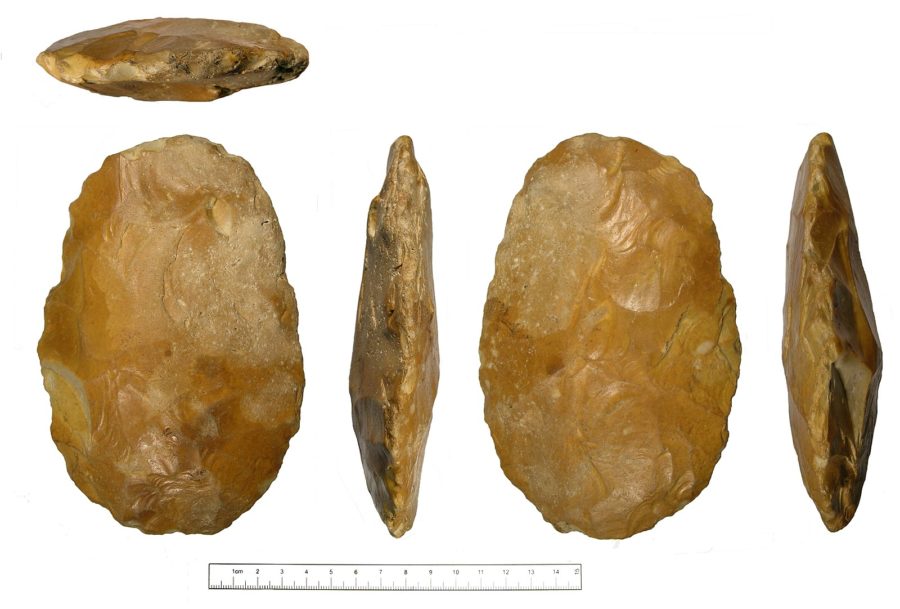
Tracing The Evolution Of Self-Control Summary: Advances in the craftsmanship of stone hand axes around 500,000 years ago suggest individuals at this time possessed characteristics which demonstrate significant self-control, such as concentration and frustration toleranc     While early hominins such as Homo erectus could craft basic hand axes as early as 1.8 million years

#5-Tracing The Evolution Of Self-Control Read More »

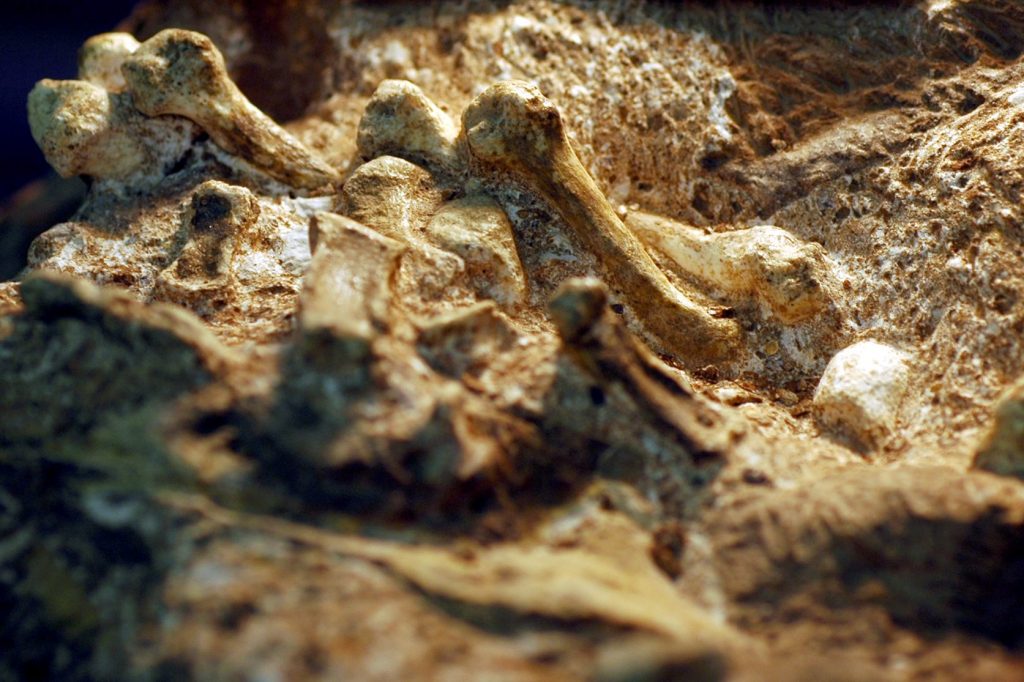
#4-Homo Naledi Juvenile Remains Offers Clues To How Our Ancestors Grew Up

This rare case of an immature fossil hominin sheds light on the evolution of human development Summary: A partial skeleton of Homo naledi represents a rare case of an immature individual, shedding light on the evolution of growth and development in human ancestry, according to a study. In this study, Bolter and colleagues examined fossils

#4-Homo Naledi Juvenile Remains Offers Clues To How Our Ancestors Grew Up Read More »

#3-Supercomputer model simulations reveal cause of Neanderthal extinction

Supercomputer model simulations reveal cause of Neanderthal extinction Summary: Climate scientists discover that according to new supercomputer model simulations, only competition between Neanderthals and Homo sapiens can explain the rapid demise of Neanderthals around 43 to 38 thousand years ago.               Neanderthals, 43,000 years ago         

#3-Supercomputer model simulations reveal cause of Neanderthal extinction Read More »

Scroll to Top