
Vishnu Vardhan

Humans Are Still Evolving: 3 Examples of Recent Adaptations

#32-Humans are Still Evolving: 3 Examples of Recent Adaptations

Humans Are Still Evolving: 3 Examples of Recent Adaptations Evolution is an ongoing process, although many don’t realize people are still evolving. It’s true that Homo sapiens look very different than Australopithecus afarensis, an early hominin that lived around 2.9 million years ago. But it is also true that we are very different compared to […]

#32-Humans are Still Evolving: 3 Examples of Recent Adaptations Read More »

Human Portraits Reveals Shift in Culture, Cognition

#31-Human Portraits Reveals Shift in Culture, Cognition

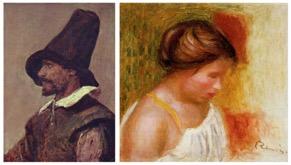
Human Portraits Reveals Shift in Culture, Cognition Human cognition and cultural norms have changed the composition of human portraits, according to a new analysis of European paintings from the 15th to the 20th century. Throughout history, portraits featuring the human profile have evolved to reflect changing cultural norms. A new study of UiT at the Arctic University of Norway

#31-Human Portraits Reveals Shift in Culture, Cognition Read More »

Studying the Neandertal DNA found in modern humans using stem cells and organoids

#30-Studying the Neanderthal DNA Found in Modern Humans using Stem Cells and Organoids

Studying the Neanderthal DNA found in modern humans using stem cells and organoids Protocols that allow the transformation of human-induced pluripotent stem cell (iPSC) lines into organoids have changed the way scientists can study developmental processes and enable them to decipher the interplay between genes and tissue formation, particularly for organs where primary tissue is

#30-Studying the Neanderthal DNA Found in Modern Humans using Stem Cells and Organoids Read More »

chimpanzee upsc anthropology optional

#29-Humans Found Able to Infer Behavioral Information From Chimpanzee Vocalizations

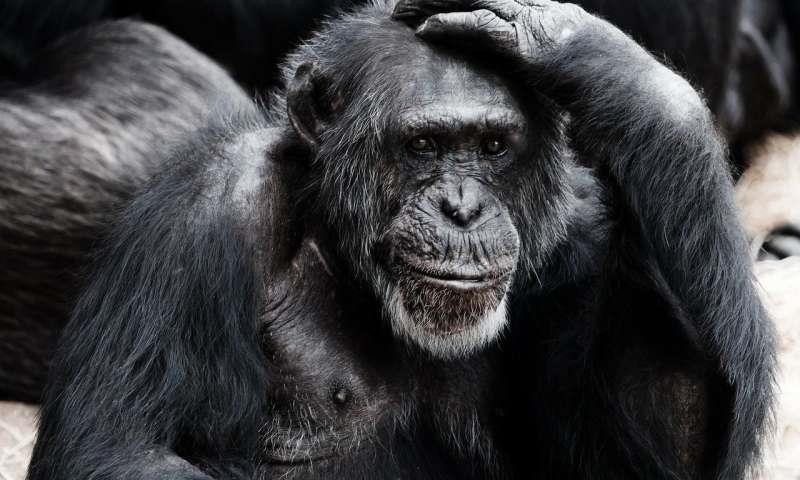
Humans Found Able to Infer Behavioral Information From Chimpanzee Vocalizations A team of researchers from the University of Amsterdam, the University of York, and the Max Planck Institute for Evolutionary Anthropology has found evidence of human ability to infer behavioral information from chimpanzee vocalizations. In their paper published in Proceedings of the Royal Society B,

#29-Humans Found Able to Infer Behavioral Information From Chimpanzee Vocalizations Read More »

#28-Immune Properties in Ancient DNA Found in Isolated villages might today

Immune properties in ancient DNA found in isolated villages might benefit humanity today Genetic diversity among hunter-gathers of Indonesia, including the last significant vestige of DNA from extinct human cousins Summary: Could remnants of DNA from a now-extinct human subspecies known as the Denisovans help boost the immune functions of modern humans? An international study

#28-Immune Properties in Ancient DNA Found in Isolated villages might today Read More »

#27-Skull Features Among Asian and Asian- Derived Groups Differ Significantly

Skull features among Asian and Asian- derived groups differ significantly Forensic anthropologists have now discovered that several skull features in Asian and Asian- derived groups differ significantly with regard to shape, such that they can be distinguished using statistical analyses. These findings highlight the future potential for developing more nuanced statistical methods that can potentially

#27-Skull Features Among Asian and Asian- Derived Groups Differ Significantly Read More »

#26-Ear infections discovered in remains of humans living in Levant 15,000 years ago

Ear infections discovered in remains of humans living in Levant 15,000 years ago Researchers at Tel Aviv University have discovered evidence of ear infections in the skull remains of humans living in the Levant some 15,000 years ago. “Our research seeks to determine the impact of our environment on illnesses in different periods,” says lead

#26-Ear infections discovered in remains of humans living in Levant 15,000 years ago Read More »

#25-Mixture and migration brought food production to sub-Saharan Africa

Mixture and migration brought food production to sub-Saharan Africa Ancient DNA documents the population changes of foragers, herders and farmers in central and eastern Africa from the Neolithic to the Iron Age Summary: A new interdisciplinary study reports on 20 newly sequenced ancient genomes from sub- Saharan Africa, including the first genomes from the Democratic

#25-Mixture and migration brought food production to sub-Saharan Africa Read More »

Scroll to Top